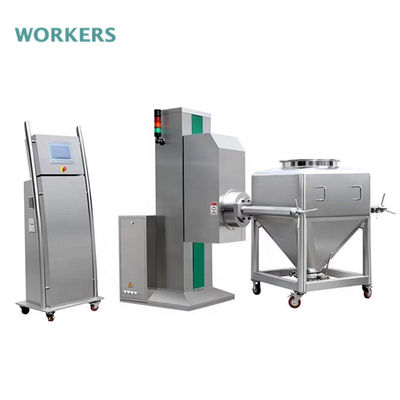
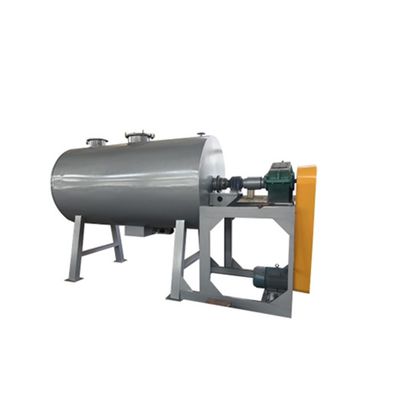
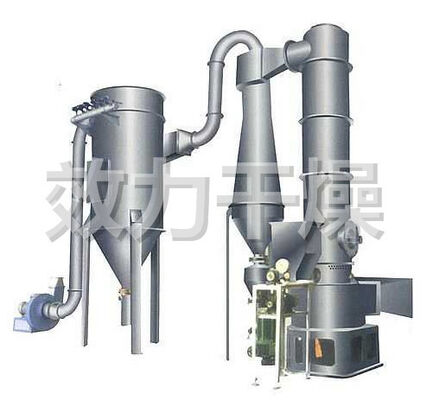
1สถานการณ์ในอุตสาหกรรม: ความต้องการในการควบคุมอุณหภูมิที่มั่นคง
ในการผลิตยา การแห้งผงเป็นขั้นตอนที่สําคัญในการประมวลผล API และกระแสการทํางานของเม็ดในขณะที่ภาคยาในตะวันออกกลางเคลื่อนไปสู่การปฏิบัติตาม GMP และการผลิตแบบมาตรฐานความต้องการสําหรับความมั่นคงของอุณหภูมิและความสม่ําเสมอของชุดยังคงเพิ่มขึ้น
เครื่องแห้งด้วยการทําความร้อนด้วยไฟฟ้า แม้จะใช้กันอย่างแพร่หลาย แต่มักต้องเผชิญกับข้อจํากัดในการควบคุมอุณหภูมิ โดยเฉพาะอย่างยิ่งเมื่อการทํางานกับวัสดุที่มีความรู้สึกต่อความร้อน
2ปัญหาสําคัญของระบบประปาไฟฟ้า
2.1 อุณหภูมิ
อุปกรณ์ทําความร้อนไฟฟ้าอาจทําให้การตอบสนองช้า ส่งผลให้การควบคุมอุณหภูมิไม่มั่นคงระหว่างการแห้ง
2.2 ความร้อนเกินในท้องถิ่น
การกระจายความร้อนที่ไม่เท่าเทียมกันอาจทําให้เกิดการอุ่นเกินในพื้นที่ที่เกี่ยวข้อง ส่งผลให้ผลการแห้งไม่ตรงกัน
2.3 ความยากลําบากในการมาตรฐานกระบวนการ
ความไม่เสถียรของอุณหภูมิอาจส่งผลกระทบต่อเส้นโค้งการแห้ง ทําให้มีความยากที่จะได้รับผลลัพธ์ที่ตรงกันข้ามระหว่างชุด
3. แนวทางทางเทคนิค: การแห้งด้วยอากาศหมุนเวียนด้วยควาย
เครื่องแห้งระบายอากาศด้วยควายใช้เครื่องแลกเปลี่ยนความร้อนด้วยควายเพื่อทําความร้อนอากาศโดยตรง รวมไปถึงระบบกระบวนการกระบวนการของอากาศเพื่อรักษาสภาพแวดล้อมการแห้งที่มั่นคง
ลักษณะสําคัญ
การทําความร้อนด้วยน้ําหมัก
คันน้ําอากาศให้การควบคุมอุณหภูมิที่มั่นคง ผ่านการควบคุมความดัน ลดความสับสนเมื่อเทียบกับระบบไฟฟ้า
ระบบกระจายอากาศ
การไหลเวียนอากาศอย่างต่อเนื่องทําให้การกระจายความร้อนเป็นเรียบร้อย ระหว่างวัสดุผง
ระบบปิดหรือครึ่งปิด
ช่วยลดความเสี่ยงของการปนเปื้อน และสนับสนุนสภาพแวดล้อมการผลิตที่สะอาด
4การใช้งานในการแปรรูปผงยา
การแห้ง API
การควบคุมอุณหภูมิที่มั่นคง ช่วยรักษาความสมบูรณ์ของสารประกอบที่ใช้ได้
การแห้งเม็ด
สนับสนุนการลดความชื้นอย่างต่อเนื่องในแกรนเลสที่ชื้น
วัสดุที่มีความรู้สึกต่อความร้อน
การทําความร้อนโดยตรง ลดความเสี่ยงของการทําลายทางความร้อน
5การพิจารณาเลือก
- ความรู้สึกของวัสดุต่อการเปลี่ยนแปลงอุณหภูมิ
- ความต้องการความสม่ําเสมอของชุด
- ความต้องการของสภาพแวดล้อมที่ปิดและควบคุม
- ความรู้สึกของวัสดุต่อการเปลี่ยนแปลงอุณหภูมิ
- ความต้องการความสม่ําเสมอของชุด
- ความต้องการของสภาพแวดล้อมที่ปิดและควบคุม
6สรุป
การเลือกระหว่างระบบแห้งไฟฟ้าและเครื่องแห้งด้วยควายสะท้อนการเปลี่ยนแปลงที่กว้างกว่าไปสู่ความมั่นคงของกระบวนการ เครื่องแห้งอากาศหมุนเวียนด้วยควายให้สภาพแวดล้อมการแห้งที่ควบคุมได้มากขึ้นทําให้มันมีความสําคัญมากขึ้น สําหรับการใช้งานทางยาในตะวันออกกลาง.


 ข้อความของคุณจะต้องอยู่ระหว่าง 20-3,000 ตัวอักษร!